 Ships
Cruise lines have recently introduced several changes to their onboard policies, largely due to passengers overusing or sneaking around the rules.
Cruise lines have recently introduced several changes to their onboard policies, largely due to passengers overusing or sneaking around the rules. As these changes continue to be rolled out, they have sparked discussions within the cruising community, especially among longtime cruisers.
In this video, Ilana of Life Well Cruised shares the most significant updates affecting travelers today. Here's everything you need to know before you book your next cruise:
1. The End of Water Bottle Cases
Cruise lines have prohibited passengers from bringing cases of water bottles onboard during embarkation.

This change, which took effect a few years ago, is a response to environmental concerns as well as an effort to prevent passengers from sneaking alcohol into water bottles.
However, passengers can still bring refillable bottles and are allowed to bring non-alcoholic beverages, such as cans of soda, on board.
2. Royal Caribbean's Unopened Drinks Policy
Royal Caribbean introduced a new policy requiring passengers to open their drinks if they wish to bring them back to their cabins. This rule mostly affects loyal customers with benefits such as free drink coupons.
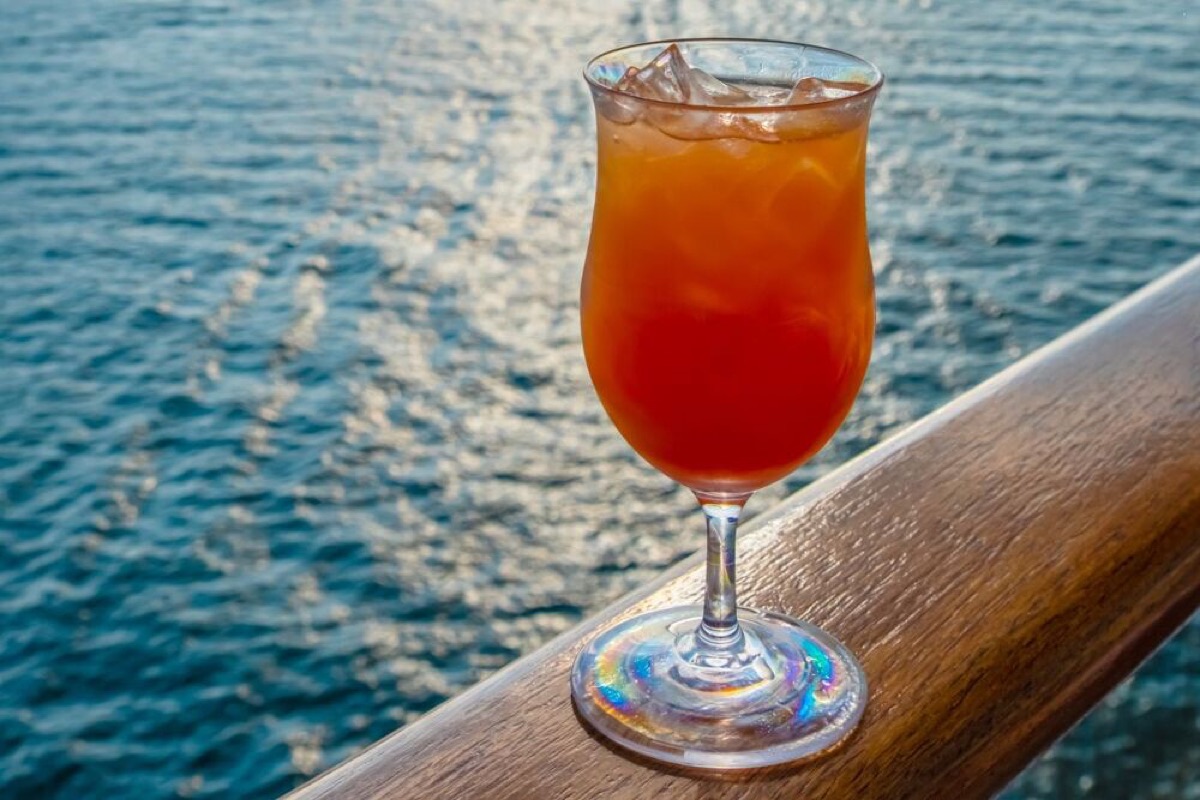
Some passengers have raised concerns, as this rule limits their ability to save drinks for later consumption. The policy aims to curb abuse of the system, but has stirred debate among cruisers.
3. Smoking on Balconies Banned
Years ago, most cruise lines banned smoking on balconies due to fire hazards. This policy came into effect after a serious fire broke out on the Star Princess in 2006, reportedly caused by a cigarette.

Cruise lines have since enforced designated smoking areas and updated their fire safety protocols.
4. Prohibited Items: Bluetooth Speakers & Internet Routers
New restrictions have been implemented on cruise ships regarding prohibited items. Bluetooth speakers, once allowed in personal cabins, are now banned due to misuse in public areas.

Additionally, cruise lines like Royal Caribbean no longer allow passengers to bring their own internet routers, as these can interfere with the ship’s communication systems.

Power bars are also banned, with the exception of USB-only outlets:

5. Sniffer Dogs at Embarkation
Sniffer dogs have become a common sight at embarkation points, as cruise lines aim to prevent illegal substances from being brought onboard.
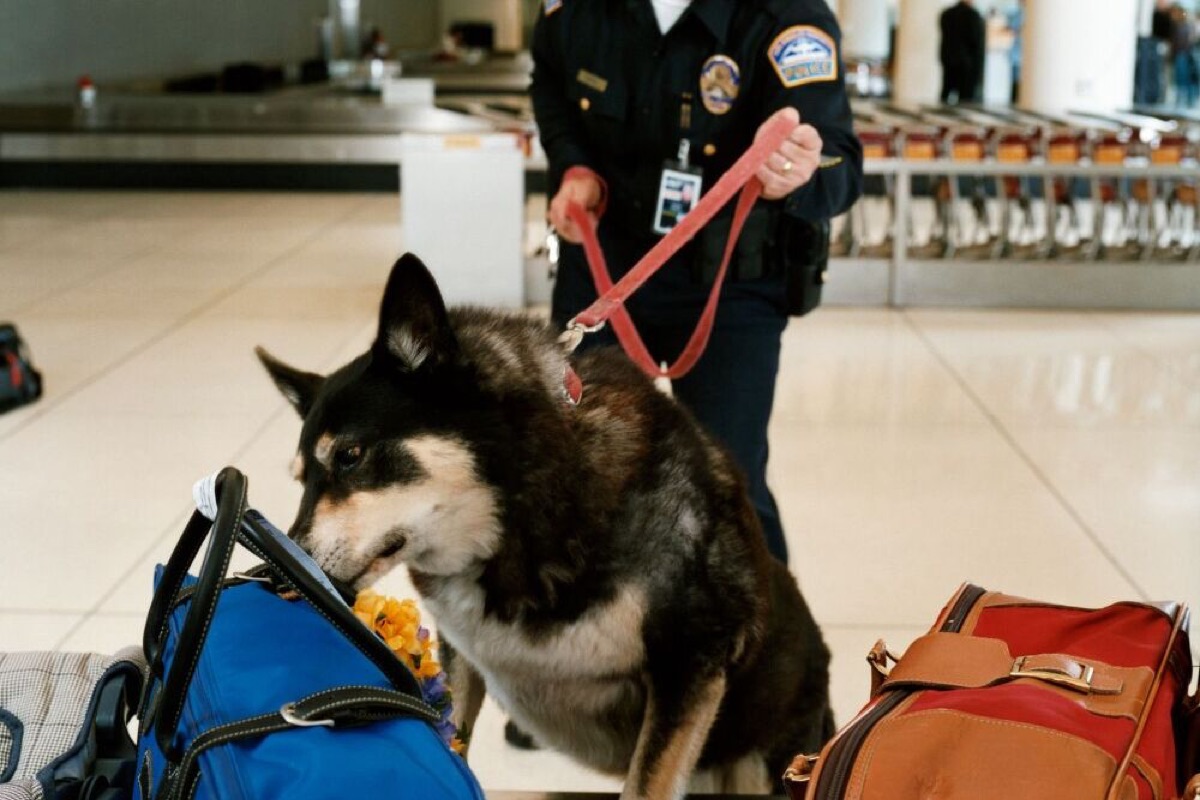
While this may be new to some passengers, it reflects a growing focus on security.
6. Transparent Pricing: A Welcome Change
One of the more positive changes for passengers is the introduction of transparent pricing. Thanks to a California law, cruise lines are now required to include all mandatory charges, such as port fees and taxes, in their displayed prices. This change helps passengers better understand the total cost of their cruise upfront.
7. Scooter Size Restrictions
Carnival has introduced scooter size restrictions to prevent scooters from obstructing stateroom hallways.

Scooters must now fit inside the cabin, and if a scooter is larger than 21 inches, passengers must book an accessible room. Larger scooters can also be rented from the cruise line’s partner company.
8. Cracking Down on Chair Hogs
Both Royal Caribbean and Carnival are enforcing policies to limit the time passengers can reserve poolside lounge chairs.
Royal Caribbean allows a 30-minute reservation period, while Carnival enforces a 40-minute rule. After the time limit is exceeded, crew members will remove personal items to free up the chairs.
9. No Drinks in the Pool
Cruise lines have begun enforcing rules prohibiting drinks in pools and hot tubs. Even though drinks are served in plastic cups to avoid glass breakage, passengers are now prohibited from bringing any beverages into the pool areas.

The rule likely aims to prevent spills or contamination, though speculation also points to concerns about hygiene.
10. Limits on Food: Controversial Changes
One of the most contentious updates is the limit on food orders in main dining rooms. Carnival and MSC Cruises now charge a $5 fee for additional main dishes, with a similar surcharge for extra lobster tails on special dining nights.
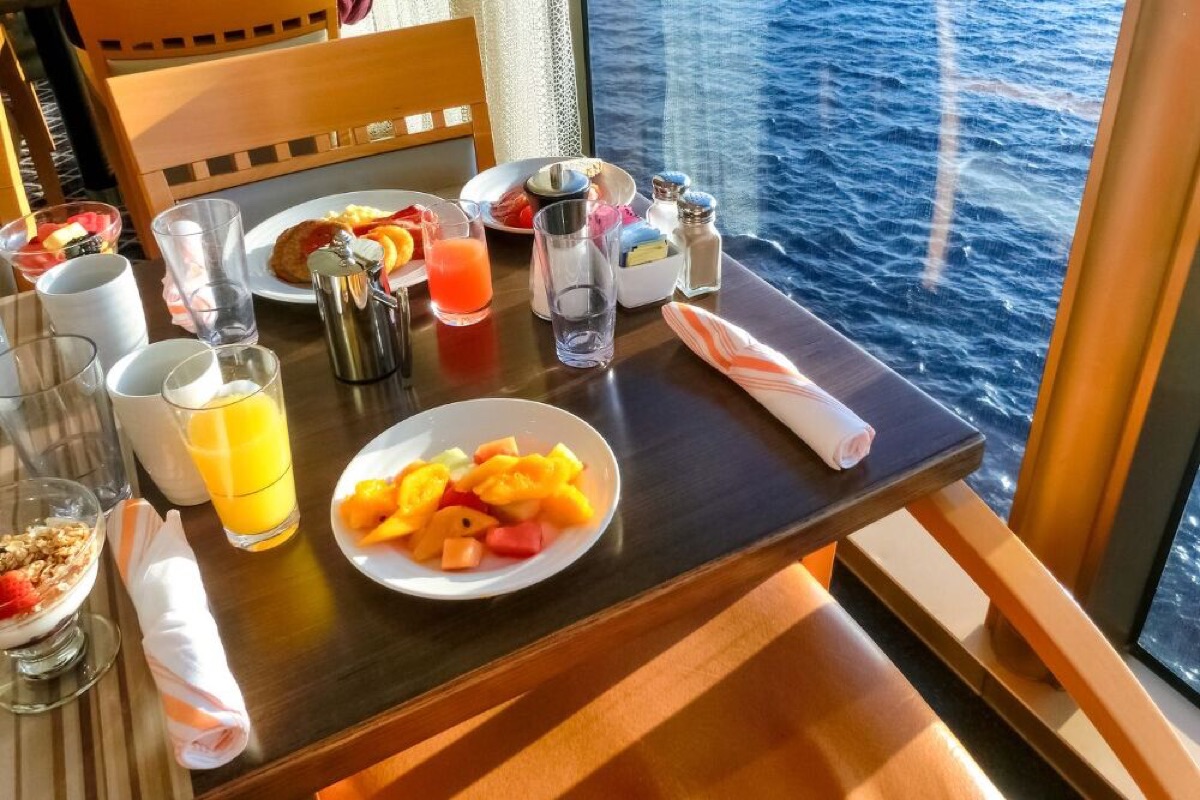
While this change is unpopular among longtime cruisers, it helps reduce food waste, a common issue on cruise ships.
11. No Sharing Drink Packages
Cruise lines now require all passengers in a cabin to purchase a drink package if one person opts for it.

This rule prevents passengers from sharing drinks, a practice that was more common in the past.
Conclusion
As cruise lines continue to adjust their policies, passengers are adapting to both the positive and negative impacts of these changes. Whether it’s the ban on water bottles or the transparency in pricing, these updates aim to improve the cruise experience, though not without some pushback from the cruising community.
Pin this post for later:

K
Kai Nakamura
Window-seat loyalist.